

It Isn't An Old Car, It's A High Mileage Hero
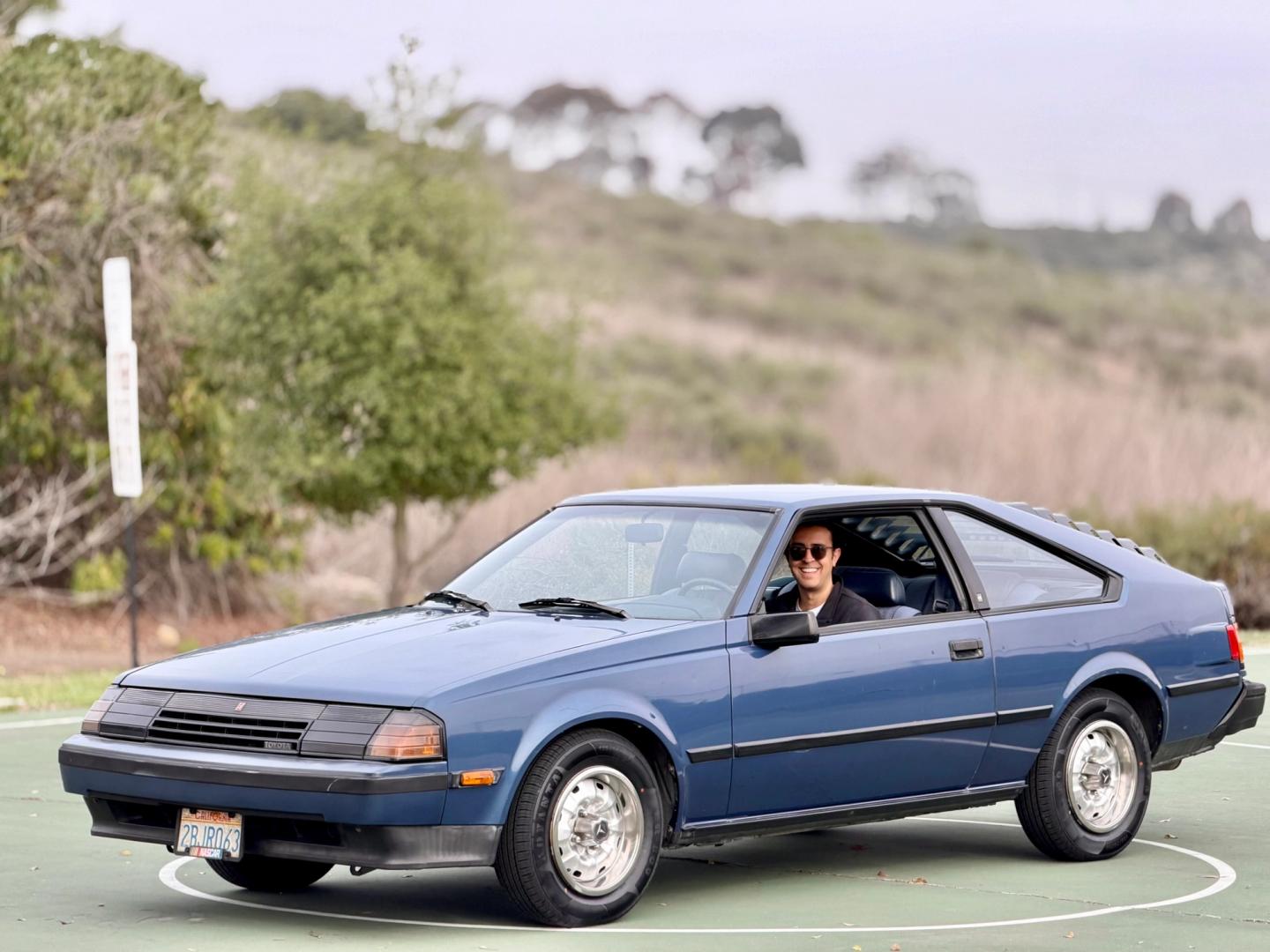
The hunt for your next car is difficult enough, so why let an arbitrary number on the odometer make the decision even more challenging? If you’ve seen as many cars as I have, you’ve encountered low-mileage examples that look as if they’ve been parked on the surface of the sun. Conversely, there are just as many “high-mileage” vehicles you’d think just rolled off the showroom floor if you didn’t glance at the odometer. The average non-enthusiast considers a 200,000-mile Tahoe junk, while a keyboard warrior will tell you a 1993 Viper with just 2,000 miles needs a complete overhaul before it’s roadworthy. The funny thing is, both could be right in certain cases, but neither can reasonably reach that conclusion based on a few photos and a listing description alone. I often say a car’s value is never simply the sum of its parts, but a high-mileage vehicle sold with a stack of receipts can represent tremendous value.
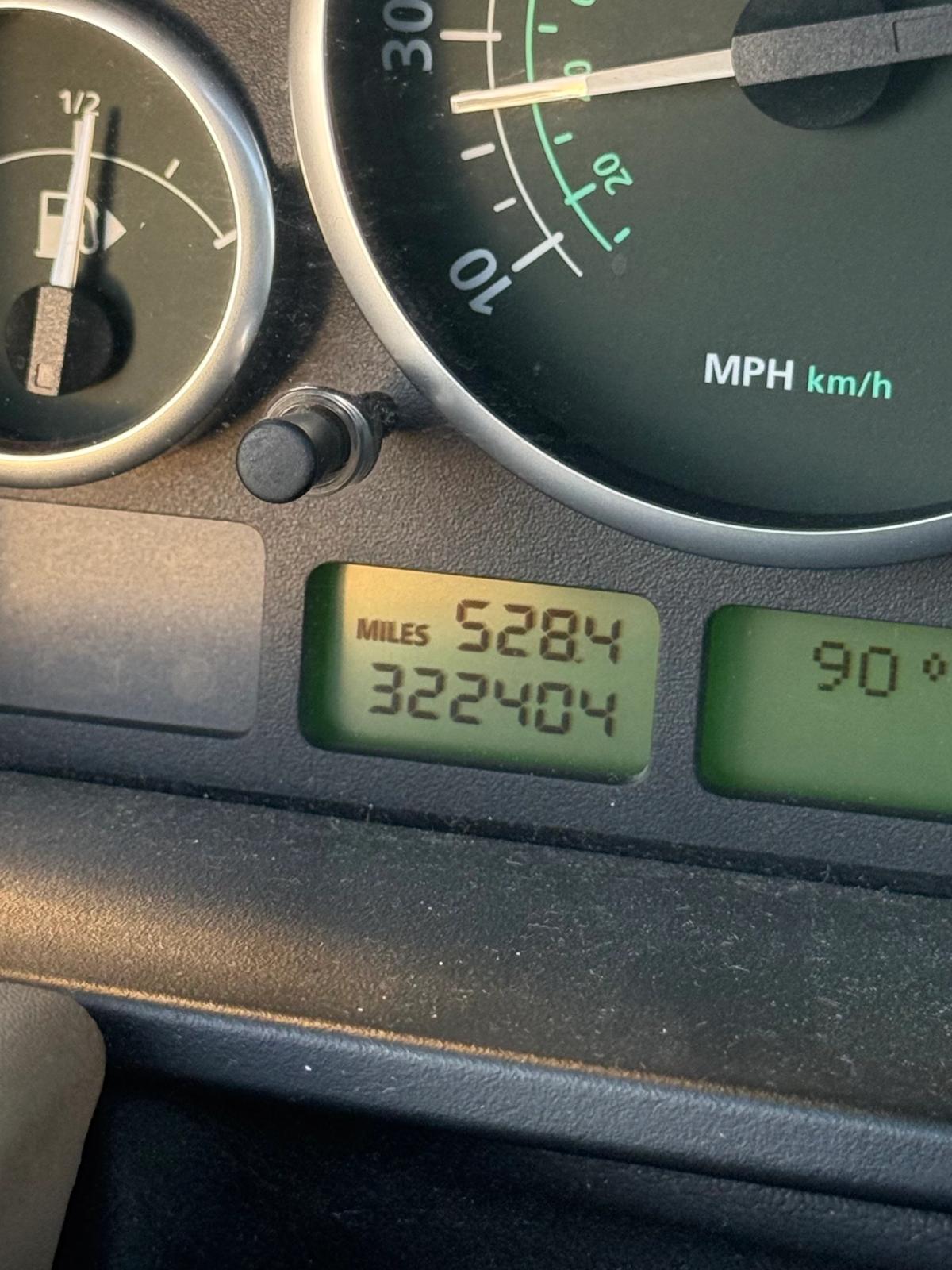
So what actually qualifies as ‘high-mileage’? That would be a fun street poll. While I wouldn't recommend a 150,000-mile Ford Fusion, I’d advocate for a 220,000-mile 80 Series Landcruiser. Then again, if a Carfax reveals the Fusion has 30 documented oil changes and a recent transmission replacement, it might not be such a gamble. Between climate, driving habits, maintenance history, and countless other factors, it simply isn’t fair to judge any high-mileage vehicle by an arbitrary number on the odometer. It should matter even less if you’re hunting for a good deal on a car you plan to regularly use as intended. You clearly aren't preserving a 200k mile Accord in an air-conditioned warehouse, so why pay double for one with half the mileage if you only intend to use it as a commuter? It might surprise you, but many casual drivers maintain their mundane commuter cars as if they were a rare Ferrari, never missing as much as a tire rotation until the day they sell it.
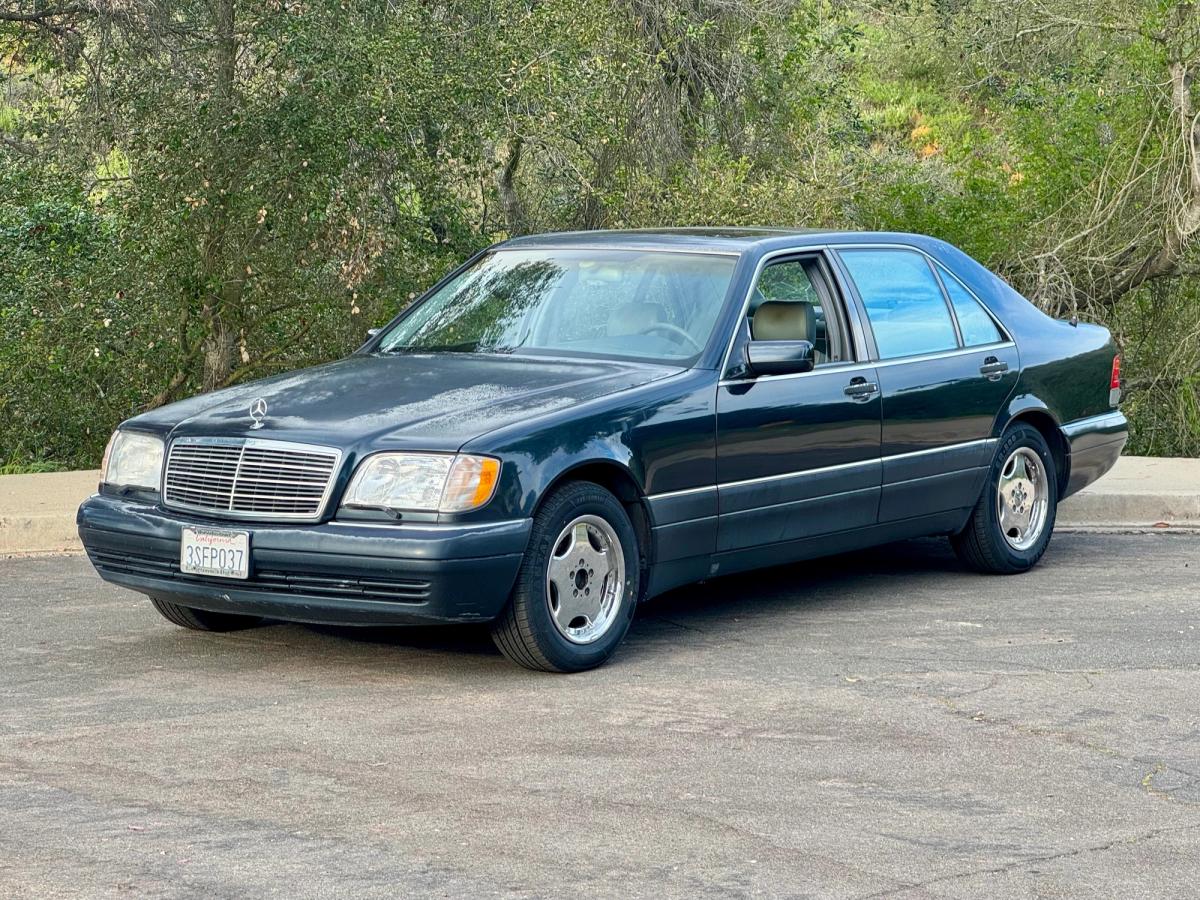
Knowledge is power. Thanks to databases like Autoreport or Carfax, your next used car purchase is no longer a dice roll. Familiarize yourself with common issues on the model you’re considering, then piece together maintenance records to build a more complete picture of its ownership history. Many times, you’ll find the engine or transmission was replaced just months earlier and think to yourself, “Who would spend thousands replacing a transmission in May just to sell the car in July?!” Well…those situations are more common than you might think. A vehicle history report can reveal documented maintenance, but there are also less tangible signs that suggest a car has been lovingly owned. A decade-old AAA sticker flaking away on the bumper is a good start. Did you notice a steering wheel cover and four matching Michelins on a rather well preserved 190,000-mile car? Those little things tell a bigger story, and with the right owner, there’s still a long road ahead for so-called high-mileage cars. Reaching the next milestone is something to look forward to.
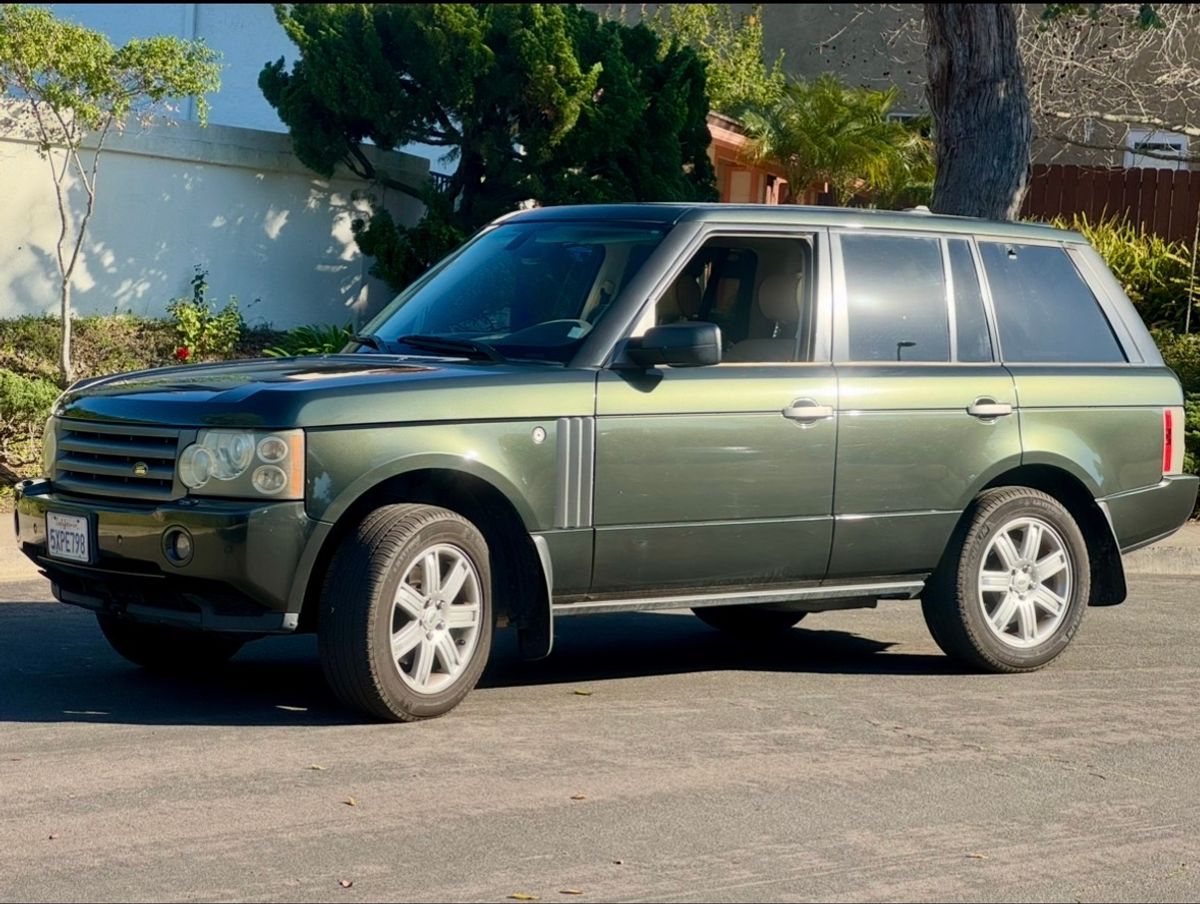
I’d pitch the right high-mileage car to just about anyone, but they are particularly compelling to the DIY enthusiast. When the cost of entry is low enough, it’s quite easy to justify performing a few repairs and preventative maintenance if you don’t have to foot the labor bill. The blood, sweat, and tears you pour into the car are rewarded by the satisfaction of tacking on even more miles. At a certain point, the next milestone serves as motivation to resolve issues quickly and keep on pushing. Even the most reliable high-mileage hero sets realistic expectations from the outset, delivering a guilt-free ownership experience, underpromising and often overdelivering. You won’t cringe at a new door ding or coffee stain, or complain if you need to call a flatbed. it might not be a bad idea to renew your AAA membership, but that isn’t to say you’ll need to rely on it regularly if you remain as meticulous as the previous owners. Suddenly, every road trip feels more rewarding. Whether you make it home without a hiccup or spend an afternoon wrenching on the shoulder, making it back is an accomplishment in its own right.
Buy the right high-mileage car, and you might find that the ownership experience is worth far more than what you paid for it. Do your homework and be willing to roll with the punches, but don't confuse an odometer reading alone with a tired car. If you ask me, they have a good use case for just about anyone, but If you’re drawn to a car’s story, here’s the best part: you get to write the next chapter.